
How our systems provide real-time access to transportation assets?
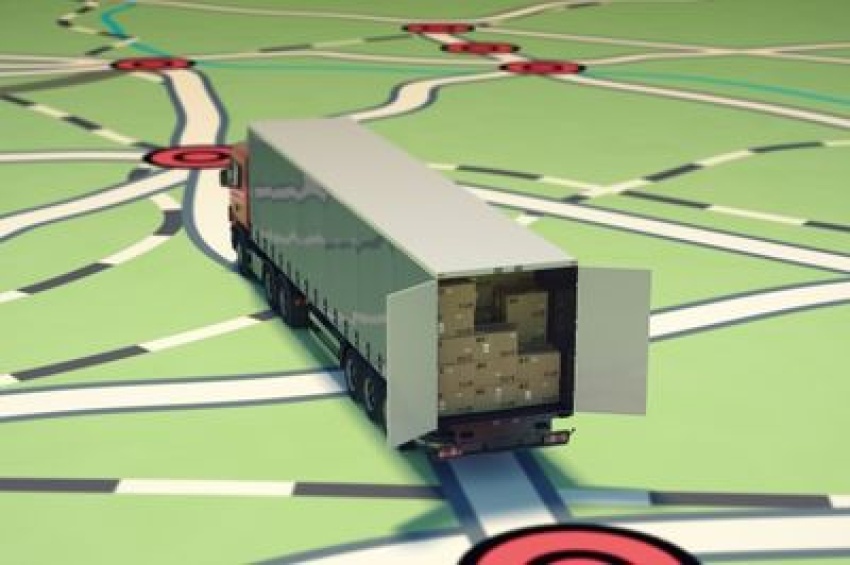
If you’ve ever chased updates across carrier portals and email threads, you know why visibility matters. How our systems provide real-time access to transportation assets is simple—we combine a modern tech stack with disciplined operations so shippers, receivers, and carriers share one live source of truth. Along the way, we’ll unpack what technology does Northwest Shippers use in freight management and prove why state-of-the-art tracking improves customer satisfaction with fewer “Where’s my order?” calls, tighter ETAs, and faster cash cycles. In this guide, you’ll get the architecture, workflows, and KPIs you can lift-and-run today.
Key Takeaways
- How our systems provide real-time access to transportation assets: one portal, standardized events, and proactive alerts—no check-call roulette.
- What technology does Northwest Shippers use in freight management: TMS + API/EDI, IoT telematics, AI ETAs, and digital docs (eBOL/ePOD).
- Why state-of-the-art tracking improves customer satisfaction: accurate ETAs, self-serve status, and faster exception handling build trust.
- Implementation playbooks and KPIs prove ROI: lower dwell, fewer claims, faster billing, better OTIF.
What technology does Northwest Shippers use in freight management
We’ve engineered our stack to turn data into decisions—not dashboards into noise.
The orchestration core (TMS + Integrations)
- Modern TMS for tendering, scheduling, rating, carrier scorecards, and invoice audit.
- API/EDI connectors sync orders, events, and docs with your ERP/WMS—no double entry.
- Event normalization (Arrived, Departed, Loaded, Delivered) creates consistent milestones across carriers and modes.
Edge signal: IoT & telematics you can trust
- ELD/GPS pings from tractors/trailers create high-fidelity location breadcrumbs.
- Geofences at plants, DCs, ports, and consignees convert raw location into meaningful status (Arrived Yard, At Dock, Departed).
- Optional condition sensors (reefer temp, door, light, tilt) verify compliance for sensitive freight.
Predictability layer: AI-powered ETAs
- Models blend traffic, weather, historical dwell, HOS rules, and lane patterns.
- Confidence bands (e.g., ±15 min) and smart thresholds avoid alert fatigue while keeping teams ahead of slippage.
Proof & pay: digital documentation
- eBOL, photo capture, ePOD upload from field devices; instant doc-to-load attachment.
- Automated audit flags accessorial mismatches early; exceptions route to humans.
Net effect: How our systems provide real-time access to transportation assets is less about “seeing dots” and more about orchestrating on-time outcomes.
Why state-of-the-art tracking improves customer satisfaction
Customers don’t want a map; they want certainty. Visibility becomes satisfaction when it prevents surprises.
What “good” looks like
- Single ETA for all stakeholders; no competing spreadsheets.
- Proactive notifications on variance (e.g., >20 minutes) with next-best action.
- Self-serve portal for status, documents, and claims evidence—fewer calls, faster answers.
In practice (micro-case)
A building-products shipper faced chronic appointment misses at big-box DCs. After enabling geofence-driven events and AI ETA variance alerts, missed-window penalties dropped 19% and customer service tickets fell 32% in six weeks—clear proof of why state-of-the-art tracking improves customer satisfaction.
What to stop doing
- Over-notifying on every ping (teaches teams to ignore alerts).
- Accepting “carrier said it’s close” without geofenced proof.
- Treating a portal as success; actionable visibility is success.
How our systems provide real-time access to transportation assets (end-to-end flow)

We designed the experience around the moments that actually matter.
H3 — Plan
- Orders auto-ingest from ERP/WMS; TMS assigns carrier and books appointments.
- Risk scoring flags tight transits, high-dwell facilities, or weather corridors.
H3 — Move
- Live map with lane filters (PO/PRO, customer, temperature, detention risk).
- Stop timelines compare planned vs. actual; dwell counters start on arrival.
- ETA engine updates in near-real time; only material variances alert.
H3 — Deliver
- ePOD + photos post within minutes; exceptions include reason codes.
- Auto-billing triggers on doc receipt; audit bots check accessorials.
H4 — Collaboration details
- Role-based access (shipper, consignee, 3PL, store manager).
- @mentions and time-stamped notes create an auditable trail.
- Facility scorecards surface top dwell/offload bottlenecks weekly.
Implementation roadmap (low-risk, high-impact)
Change sticks when you start small and measure ruthlessly.
H3 — Weeks 0–2: Connect & govern
- Map fields and stand up API/EDI; enable SSO/MFA and roles.
- Define alert thresholds and lane priorities.
- Baseline KPIs: OTIF, call volume, detention hours, claim ratio, days-to-invoice.
H3 — Weeks 2–4: Pilot with intent
- 2–3 lanes, 2–3 core carriers. Validate geofences, ETA accuracy, doc SLAs.
- Weekly standups: review exceptions, tune thresholds, fix data gaps.
H3 — Weeks 4–8: Scale what works
- Roll out to additional lanes, enable ePOD/photo capture fleet-wide.
- Turn on automated audit and customer-facing notifications.
H4 — Governance tip
Create a cross-functional “control tower” (ops, CS, finance, IT) to own metrics and continuous improvement.
KPIs to prove (and keep) ROI
- OTIF: on-time arrival to appointment ±30 min.
- ETA accuracy: % within ±15 min at last 100 miles.
- Dwell: average by facility; top 10 offenders with trend.
- Detention dollars: absolute and per-stop; prevented vs. paid.
- Claim rate & cycle time: with photo/ePOD attachment rate.
- Days-to-invoice / DSO: improvement tied to digital docs.
- WISMO call volume: reduction vs. baseline.
Publish these transparently—another reason how our systems provide real-time access to transportation assets builds trust across partners.
Playbooks you can copy today
H3 — “No-surprises ETA”
- Set variance thresholds (e.g., >20 min).
- Publish one ETA; retire shadow trackers and ad-hoc texts.
H3 — “Docs in minutes”
- Require ePOD + 2 photos within 30–60 minutes.
- Auto-match docs to loads; release invoice same day.
H3 — “Dwell discipline”
- Geofence all docks; review dwell weekly with facilities.
- Escalate frequent offenders with data-backed action plans.
Additional Insightful Section: Build vs. Buy vs. Blend
- Build if you have a data platform team and multi-year runway; you’ll tailor deeply but own maintenance.
- Buy to accelerate time-to-value with mature integrations and RTTV; ensure carrier-agnostic coverage.
- Blend (our approach): best-in-class TMS/RTTV + light customizations where you truly differentiate (e.g., customer workflows, industry-specific sensors).
Selection checklist
- Carrier coverage (domestic/international; TL/LTL/intermodal).
- Update cadence (minutes, not hours).
- Role-based access & audit logs.
- API-first with clear SLAs.
- Mobile capture for eBOL/ePOD.
- Analytics with facility/lane benchmarking and carbon reporting.
FAQs
How is this different from traditional track-and-trace?
Traditional track-and-trace relies on scheduled updates and phone calls. Our RTTV approach delivers continuous, geofenced milestones, AI ETAs, and actionable exceptions.
What if some carriers lack sophisticated telematics?
We bridge via ELD integrations, lightweight mobile apps, and geofenced check-ins to maintain signal quality.
Does this replace my ERP or WMS?
No—what technology does Northwest Shippers use in freight management is integration-first. Your ERP/WMS stays the system of record; we sync orders, events, and documents.
Can consignees or store managers see live status?
Yes—role-based access shares the right view with the right people (and hides sensitive data).
How quickly can we pilot?
Most organizations can pilot select lanes in 4–6 weeks, depending on data readiness and carrier participation.
Conclusion
How our systems provide real-time access to transportation assets comes down to three things: clean integrations, trustworthy edge data, and human-centered workflows. Pair that with the right KPIs and you’ll see why state-of-the-art tracking improves customer satisfaction—fewer surprises, faster decisions, and stronger relationships. With what technology does Northwest Shippers use in freight management—TMS + API/EDI, IoT telematics, AI ETAs, and digital docs—you get visibility that actually moves freight and the business.
Schedule a discovery call today. We’ll demo live tracking, set up a focused pilot, and map the KPI lift you can expect in 60 days—clear, actionable, and tailored to your lanes.
Published