
Which Machinery Transport Company Can You Really Trust for Heavy Equipment Shipping?
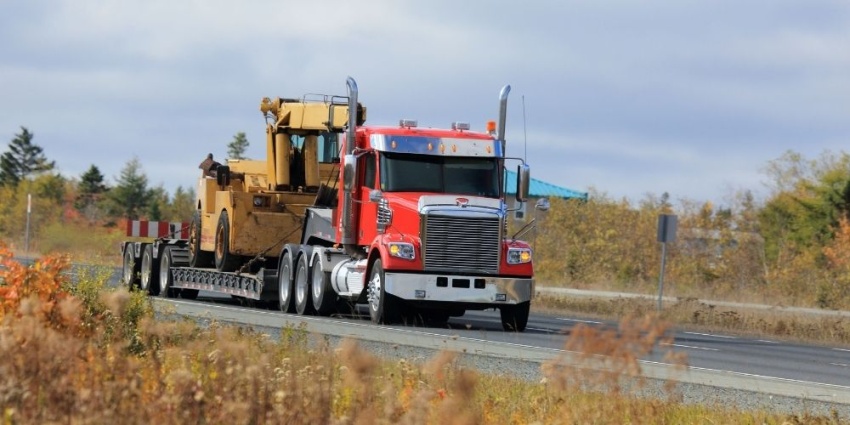
Moving heavy equipment isn’t like arranging a standard freight load. One mistake in planning, permitting, or loading can mean costly delays, damaged assets, or even regulatory fines. This is why finding the right machinery transport company is one of the most important decisions for construction firms, manufacturers, agricultural businesses, and industrial operators.
A professional transport company does more than provide a truck—they create a complete logistics solution. From planning compliant routes to securing permits, providing specialized trailers, and coordinating loading crews, they make sure machinery arrives safely, on time, and ready to work.
That’s where Northwest Shippers Inc. stands out. With decades of industry expertise and nationwide coverage, we provide more than just machinery shipping services—we provide peace of mind. In this guide, we’ll walk you through what makes a transport company reliable, what costs to expect, how to prepare machinery for shipment, and why Northwest Shippers Inc. is trusted by businesses across the country.
Key Takeaways
- A professional machinery transport company handles more than transport—they manage planning, compliance, loading, and risk.
- Safety and legal compliance are non-negotiable in heavy machinery freight shipping.
- Costs vary by distance, size, timing, and equipment needs, but transparent quoting avoids hidden fees.
- Proper preparation—from draining fluids to crating sensitive parts—can prevent thousands in damage.
- Northwest Shippers Inc. delivers nationwide coverage, transparent pricing, and dedicated logistics specialists.
What Does a Machinery Transport Company Do?
At its simplest, a machinery transport company moves heavy, oversized, or sensitive equipment between locations. But in practice, the role is far more complex.
Core Functions
- Planning & Permits: Identifying whether loads qualify as oversized or overweight, securing permits across multiple states, and arranging pilot cars when needed.
- Specialized Equipment: Choosing the right trailers—flatbeds, step decks, RGNs (removable goosenecks), or lowboys—depending on the machine’s weight and dimensions.
- Risk Management: Protecting machinery against shocks, vibration, weather, and road hazards with proper tie-downs and coverings.
- On-Site Coordination: Aligning cranes, forklifts, or rigging crews for smooth load-in and unloading at delivery.
- Documentation & Insurance: Managing bills of lading (BOL), proof of insurance, and compliance paperwork to ensure smooth inspections.
Types of Machinery Commonly Shipped
- Construction: Excavators, bulldozers, backhoes, graders, cranes.
- Manufacturing: CNC machines, presses, assembly-line equipment.
- Agricultural: Tractors, combines, balers, irrigation systems.
- Commercial/Industrial: HVAC chillers, generators, transformers, industrial ovens.
In short, while anyone can “find a truck,” only a qualified machinery transport company has the knowledge and network to move high-value machinery safely and legally.
How Much Does Heavy Machinery Freight Shipping Cost?
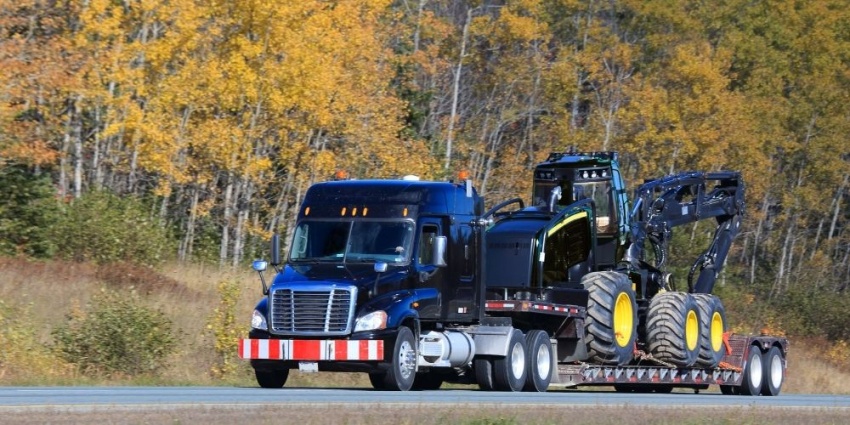
How Much Does Heavy Machinery Freight Shipping Cost?
One of the first questions businesses ask is: “What will this cost?” The answer depends on multiple factors, but here’s what you can expect.
Average Rates
- Short hauls (?500 miles): $4.00–$5.50 per mile
- Long hauls (?1,000 miles): $1.50–$2.75 per mile
Key Cost Drivers
- Size & Weight: A 12,000-lb tractor might fit on a standard step deck, but a 60,000-lb crane will require an RGN with multiple axles—and more permits.
- Distance & Route: Remote pickups cost more due to added deadhead miles; congested metro deliveries can add hours.
- Permits & Escorts: Oversized/overweight permits can range from $30 to several hundred per state, and escort vehicles add cost per mile.
- Timing: Rush jobs, weekend moves, or weather delays often require premium pricing.
- Loading Needs: Cranes, forklifts, and rigging crews are often additional.
Real-World Examples
- A bulldozer shipped 400 miles with a step deck and single-state permit: $2,500–$3,200.
- A CNC press weighing 45,000 lbs shipped cross-country on an RGN with multi-state permits: $9,000–$12,000.
At Northwest Shippers Inc., every quote is broken into line items so you know exactly what you’re paying for—no vague numbers or surprise fees.
Safety and Compliance: The Non-Negotiables
Every provider talks about safety, but the truth is, not all transporters treat it as a top priority. The right machinery transport company should follow safety protocols as closely as any airline or hospital—because the risks are just as serious.
Compliance Measures That Matter
- Accurate Weight Documentation: Avoids DOT fines and dangerous overloads.
- Tie-Down Plans: Using rated chains and straps positioned to protect hydraulic hoses and cylinders.
- Escort Vehicles: For over-dimension loads, including pole cars for height clearance.
- Insurance Coverage: Not just basic liability, but cargo insurance scaled to the actual value of your machinery.
- Condition Reports: Timestamped photos at pickup and delivery to protect against disputes.
Northwest Shippers Inc. incorporates these measures into every job. Our philosophy is simple: if it’s not safe, it doesn’t roll.
Preparing Machinery for Transport
Preparation is often where companies save—or lose—the most money. Damages during transit usually happen because of poor prep, not poor hauling.
Pre-Shipment Checklist
- Drain fluids: Fuel, oil, and hydraulics to prevent leaks and hazmat issues.
- Disconnect batteries: Reduce fire and electrical risks.
- Remove attachments: Buckets, blades, or arms should be transported separately.
- Protect vulnerable parts: Use shrink-wrap, covers, or crates for sensors, screens, or hydraulics.
- Photograph condition: Take photos from multiple angles for insurance protection.
Crating and Packaging (When Needed)
Fragile or irregular machinery often benefits from crating. Options include:
- Wooden Crates: Affordable and weather-resistant.
- Metal Crates: Sturdier for high-value or sensitive equipment.
- Custom Crates: Built to odd shapes or delicate parts for maximum safety.
Delivery Site Preparation
- Clear space for unloading.
- Ensure stable ground for cranes/forklifts.
- Confirm safe access routes for trailers.
Northwest Shippers provides clients with prep guides and, when requested, on-site specialists to coordinate loading and unloading.
Why Businesses Choose Professional Machinery Shipping Services
Hiring a professional machinery transport company delivers more than logistics—it delivers confidence.
Benefits of Professional Services
- Reduced Downtime: Efficient transitions minimize equipment idle time and project delays.
- Lower Risk of Damage: Proper handling and full-value insurance protect your investment.
- Full Compliance: Permits, escorts, and DOT regulations handled seamlessly.
- Custom Solutions: Tailored strategies for everything from oversized excavators to delicate lab equipment.
- Peace of Mind: Real-time tracking and proactive updates every step of the way.
Why Choose Northwest Shippers Inc.?
Plenty of companies can move machinery. Few can move it as safely, transparently, and efficiently as we do.
Our Advantages
- Nationwide Network: Serving urban hubs and remote job sites alike.
- Transparent Quotes: Every cost is itemized—no hidden add-ons.
- Dedicated Specialists: One point of contact from booking to delivery.
- Real-Time Visibility: GPS tracking and proactive communication.
- Safety & Insurance: Coverage matched to the actual value of your equipment.
At Northwest Shippers Inc., every job is planned, documented, and executed with the precision you’d expect if it were our own machinery.
FAQs
1. How do I choose the right machinery transport company?
Look for experience with your type of machinery, transparent quotes, proper insurance, and positive customer reviews.
2. What’s the most common trailer for machinery shipping?
Flatbeds handle most equipment, while RGNs and lowboys are used for oversized, heavy, or self-propelled machinery.
3. Do I need crating for my equipment?
Not always. Crating is recommended for fragile, sensitive, or oddly shaped machinery that can’t be secured safely with chains or straps.
4. How long does heavy machinery freight shipping take?
Regional hauls take 2–4 days; cross-country moves typically take 7–10 days, depending on permits, weather, and route.
5. Is insurance included in the price?
Yes. At Northwest Shippers Inc., cargo insurance is standard and tailored to your machinery’s actual value.
Conclusion
A reliable machinery transport company is more than a vendor—it’s a partner that protects your equipment, budget, and timeline. By combining thorough planning, regulatory compliance, safety protocols, and transparent pricing, Northwest Shippers Inc. takes the uncertainty out of heavy machinery freight shipping.
Whether you’re relocating a factory, moving agricultural equipment, or shipping specialized industrial machinery, we ensure your assets arrive safely, legally, and on time.
Ready to move your machinery with confidence? Request a freight quote today
Published